
Categories
Hot Insights
See All
-

Studies Find Mushrooms Can Reduce Cancer Risks | Best Cancer-Fighting Foods
How can mushrooms reduce cancer risks? Mushrooms are more than just a tasty addition to your meals. They are nutritional powerhouses that provide essential vitamins, minerals, and antioxidants. Additionally, mushrooms contain compounds like polysaccharides and beta-glucans, which can have great medicinal properties, such as fighting cancer (2). Several types of mushrooms have been studied for […]
-
Best Diet for Prediabetes: Best Foods to Eat and Foods to Avoid
What is prediabetes? Prediabetes is a condition where blood sugar levels are higher than normal but not high enough to be diagnosed as type 2 diabetes (2). In this condition, the body’s cells become resistant to insulin, a hormone that regulates blood sugar levels. Consequently, this leads to an imbalance in blood sugar levels. Normal […]
-
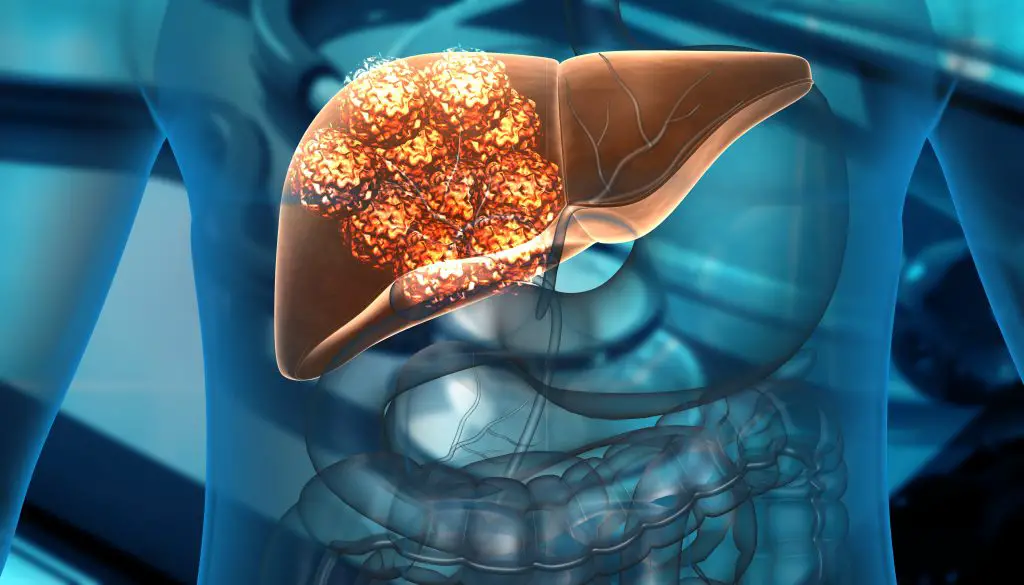
New Screening Tool May Improve Liver Cancer Survival Rates up to 90%: Study Finds
What is hepatocellular carcinoma (HCC)? Hepatocellular carcinoma (HCC) is the most common type of cancer that comes from the liver. It occurs when the liver cells (called hepatocytes) grow uncontrollably and create a tumor. HCC is a serious condition that often develops in people with chronic liver disease, such as cirrhosis, hepatitis B or C […]
-
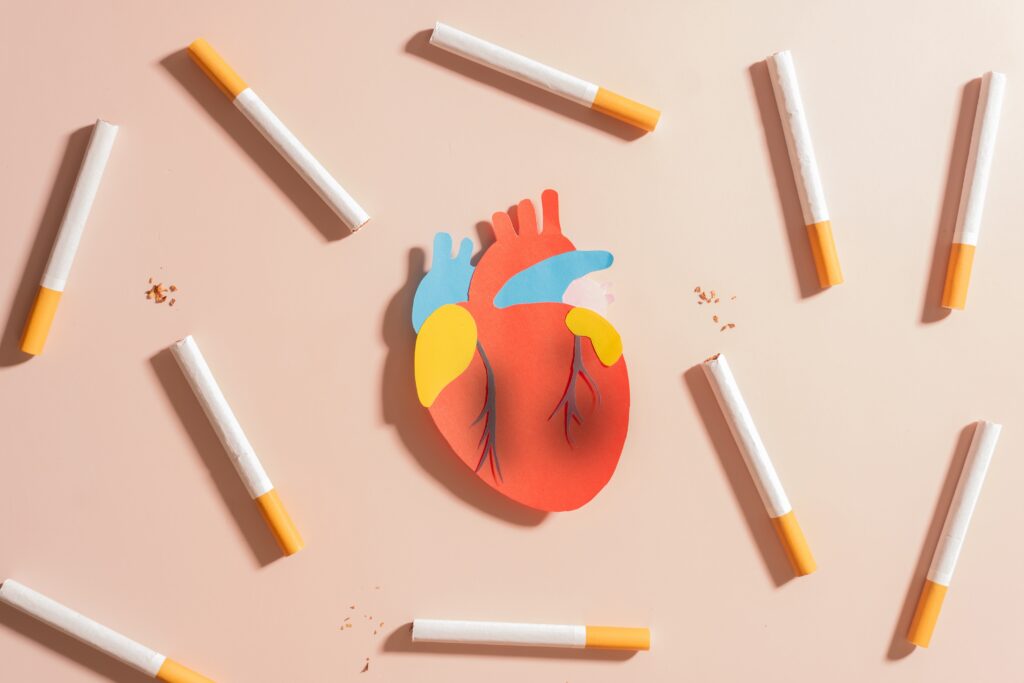
Does Nicotine Raise Blood Pressure? Explore The Link, Prevention Strategies, and More
Does smoking cause high blood pressure? In the short term, yes. Every time you smoke, it causes a temporary increase in blood pressure (1). Blood pressure increases when blood has difficulty traveling through the blood vessels. In simple terms, it’s like you’re in a tunnel with a lot of people, and you need to make […]
-
Back Pain After Sleep: Causes, Chiropractic Care, and Other Remedies
Back hurts after sleeping: Common causes Poor sleep habits and an unsupportive sleep environment are common culprits behind back pain after sleep (5, 6). However, underlying medical conditions like arthritis, disc herniation, and fibromyalgia can contribute to the condition. Here’s a look at the common causes. Poor sleeping position Sleeping on your stomach can force […]


Video Series
See All-
Fact Check — Kidney Misinformation Seen by Millions
-
Half the World Eats Rice Toxins Daily That Damage Kidneys
-
See How Spinach Can Damage Your Kidneys
-
Avoid These 7 Plant-Based Foods That Can Damage Your Kidneys
-
These 7 Daily Habits Can Help Lower Your Creatinine Levels | Improve Kidney Health
-
9 Skin Signs That May Indicate Your Kidneys Are Damaged
-
Surprise! Drinking Water Wrongly Can Damage Your Kidneys
-
9 Fruits to Lower Creatinine Levels and Improve Kidney Health
-
Top 9 Drinks To Help Stop Proteinuria and Heal Your Kidneys





Advisory Board
Learn more-
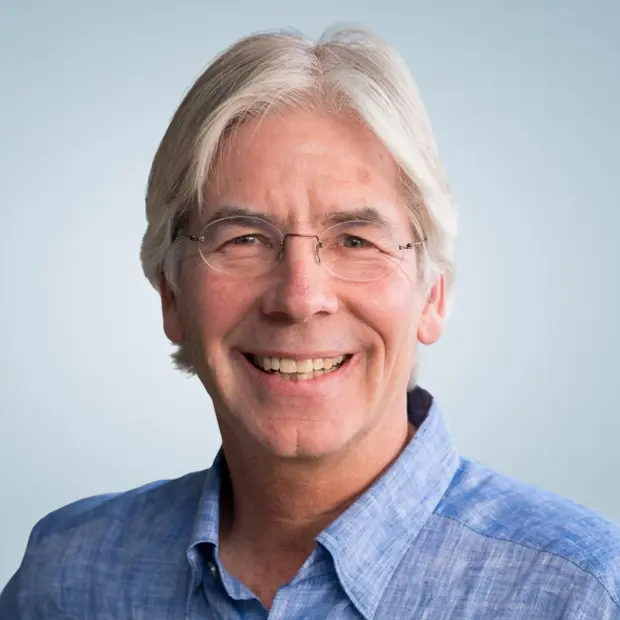
Christopher Gardner, PhD
Professor (Research), Medicine - Stanford Prevention Research Center NutritionFor the past 20 years most of my research has been focused on investigating the potential health benefits of various dietary components or food patterns, which have been explored in the context of randomized controlled trials in free-living adult populations. Some of the interventions have involved vegetarian diets, soy foods and soy food components, garlic, omega-3 fats/fish oil/flax oil, antioxidants, Ginkgo biloba, and popular weight loss diets. These trials have ranged in duration from 8 weeks to a year, with study outcomes that have included weight, blood lipids and lipoproteins, inflammatory markers, glucose, insulin, blood pressure and body composition. Most of these trials have been NIH-funded. The most recent of these was an NIH funded weight loss diet study - DIETFITS (Diet Intervention Examining The Factors Interacting with Treatment Success) that involved randomizing 609 generally healthy, overweight/obese adults for one year to either a Healthy Low-Fat or a Healthy Low-Carb diet. The main findings were published in JAMA in 2018, and many secondary and exploratory analyses are in progress testing and generating follow-up hypotheses. In the past few years the long-term interests of my research group have shifted to include two additional areas of inquiry. One of these is Stealth Nutrition. The central hypothesis driving this is that in order for more effective and impactful dietary improvements to be realized, public health professionals need to consider adding non-health related approaches to their strategies toolbox. Examples would be the connections between food and 1) global warming and climate change, 2) animal rights and welfare, and 3) human labor abuses (e.g., slaughterhouses, agriculture fields, fast food restaurants). An example of my ongoing research in this area is a summer Food and Farm Camp run in collaboration with the Santa Clara Unified School District since 2011. Every year ~125 kids between the ages of 5-14 years come for 1-week summer camp sessions led by Stanford undergraduates and an Education Director to tend, harvest, chop, cook, and eat vegetables...and play because it is summer camp! The objective is to study the factors influencing the behaviors and preferences that lead to maximizing vegetable consumption in kids. A second area of interest and inquiry is institutional food. Universities, worksites, hospitals, and schools order and serve a lot of food, every day. If the choices offered are healthier, the consumption behaviors will be healthier. A key factor to success in institutional food is to make the food options "unapologetically delicious" a term I borrow from Greg Drescher, a colleague and friend at the Culinary Institute of America (the other CIA). Chefs are trained to make great tasting food, and chefs in institutional food settings can be part of the solution to improving eating behaviors. In 2015 I helped to initiate a Stanford-CIA collaboration that now involves dozens of universities that have agreed to collectively use their dining halls as living laboratories to study ways to maximize the synergy of taste, health and environmental sustainability. If universities, worksites, hospitals and schools change the foods they serve, they will change the foods they order, and that kind of institutional demand can change agricultural practices - a systems-level approach to achieving healthier dietary behaviors. My long-term vision in this area is to help create a world-class Stanford Food Systems Initiative and build on the idea that Stanford is uniquely positioned geographically, culturally, and academically, to address national and global crises in the areas of obesity and diabetes that are directly related to our broken food systems.
-
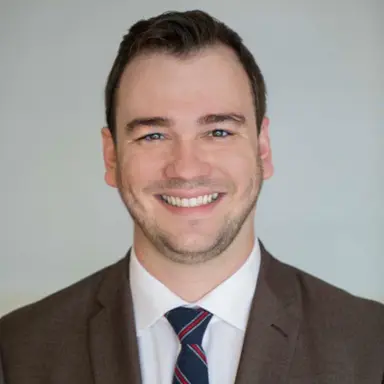
Anthony Cardillo, MD
Clinical Pathology American Board of Pathology, Board Certified in Clinical PathologyAnthony Cardillo is a Clinical Instructor at NYU in New York City. He is a board-certified Clinical Pathologist that specializes in the natural history of disease. He was named to The Pathologist magazine's Power List in both 2021 and 2022 as an early-career leader, and his research interests include the use of machine learning to gain new insights into traditional medicine. His recent publications have been featured in the American Journal of Clinical Pathology and the New England Journal of Medicine.
-
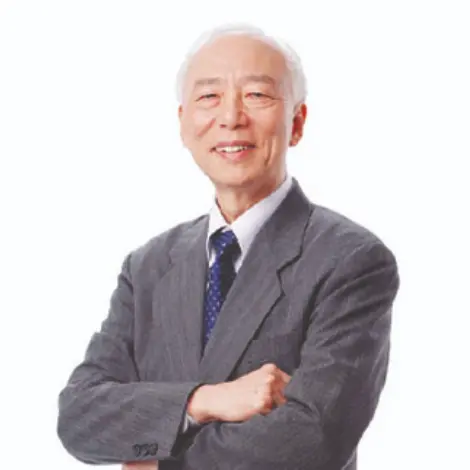
Dr. Hu Naiwen
Professor, the Nine Star University of Health Sciences in Sunnyvale, California Integrated medicineDr. Hu Naiwen is a highly skilled and experienced practitioner in both Western and traditional Chinese medicine. He began his academic journey studying biology at university before specializing in neuroscience and endocrinology during graduate school. Upon completing his studies, Dr. Hu worked in the field of pharmacology and conducted life science research at the prestigious Stanford Research Institute International. Upon returning to Taiwan, Dr. Hu expanded his expertise by delving into the ancient practice of acupuncture and studying the theories of Chinese medicine. This exploration led him to earn a license in traditional Chinese medicine, further enriching his understanding of healthcare and treatment methodologies. Dr. Hu's personal quest for better health led him to explore various schools of qigong, ultimately discovering Falun Gong in his late 40s. This practice not only improved his physical well-being but also enhanced his mental acuity, allowing him to better comprehend and analyze complex medical texts. Throughout his more than 30 years of medical practice, Dr. Hu Naiwen has come to appreciate the strong connection between the cultivation of one's mind and the cultivation of one's life, as well as the relationship between morality and health. By incorporating these principles into his practice, he has helped over 140,000 patients overcome a myriad of illnesses, solidifying his reputation as a dedicated and holistic healthcare professional.
-
John Osei Sekyere, B. Pharm, M. Phil, PhD
Microbiology and Immunology Antimicrobial resistance, infectious diseases epidemiology and diagnostics, host-microbiome interactions and bacterial genomics.John Osei Sekyere is a pharmacist (B. Pharm) and clinical/medical microbiologist (PhD) with especial interest and skill in antimicrobial resistance, infectious diseases epidemiology and diagnostics, host-microbiome interactions and bacterial genomics.
-
Gina M Jansheski, MD FAAP
Licensed physician, Fellow of the American Academy of Pediatrics, fellowship in Developmental & Behavioral Pediatrics, graduate of the Harvard Palliative Care Education and Practice Program, eCornell University Certification in Plant-Based Nutrition General PediatricsDr. Gina has over 22 years of practice experience in pediatrics. She attended the University of Arizona College of Medicine for her M.D., where she also completed her residency training in general pediatrics. She then chose to attend a one-year fellowship in Developmental and Behavioral Pediatrics at The Child Development Unit, Children’s Hospital Colorado, which emphasized the evaluation of children with genetic conditions, autistic spectrum disorders, and child abuse. She then entered the field of pediatric hospitalist medicine and became the medical director of Tucson Pediatric Hospitalists. She was personally responsible for year-round, 24/7 coverage of the busy inpatient pediatric unit, well newborn nursery, emergency department consultations, supervision of the Pediatric and Family Medicine residents, procedural sedation service, and TMC pediatric hospice. She founded a child abuse review team and Tucson Lifeline for Children (TLC), a pediatric palliative care program that was the first of its kind in her area. She then moved on to another medical director position at The Painted Turtle, one of the Paul Newman Serious Fun camps for children with life-threatening medical conditions. This was another highly energized position with full responsibility for the medical care of children with kidney and liver transplants, hemophilia, spina bifida, immunodeficiencies, rheumatic conditions, skeletal dysplasia, developmental disabilities, and more, offering them the chance to experience an authentic camp experience all year. She directed a state-of-the-art, on-site medical facility and coordinated all medical services, supplies, protocols, and personnel. The camp offered specialized medical care during specific sessions, including a fully-stocked pharmacy, G-tube feedings, hemophilia care, kidney dialysis, CPAP, supplemental oxygen, tracheostomy care, and 24-hour oral and IV medication management. She made sure the nurses and physicians specializing in each medical condition were on camp to staff all sessions requiring their particular skills and expertise. She was integral in the development of sessions for children with cerebral palsy and developmental disorders.In her last years of practice, Dr. Gina decided to focus on outpatient pediatrics, working in a private office for a couple of years and providing locum tenens physician services in areas of need. After some study, she retired from practicing medicine and made the transition into medical editing and review through her new company, Helping Hands MD Editing.
-
William Davis, MD
Cardiologist Director of Biotechnologies, Northern Medical Center, NYDr. William Davis is a cardiologist and New York Times #1 bestselling author of the Wheat Belly book series. He is Medical Director and founder of the Undoctored program including the Undoctored Inner Circle. He is Chief Medical Officer and co-founder of Realize Therapeutics Corp. that is developing innovative solutions for the disrupted human microbiome and author of the book Super Gut.
-
Jordan Stachel, MS, RDN
NutritionistJordan is most fulfilled when guiding others towards making stepwise, sustainable changes that add up to big results over time. Jordan works with a wide variety of individuals, ranging in age from children to the elderly, with an assortment of concerns and clinical conditions. She helps individuals optimize overall health and/or manage disease states using personalized medical nutrition therapy techniques. It can be difficult for individuals to navigate health conditions and to discern between nutrition information that is both credible and accurate, versus misinformation and conflicting guidance. As an expert in the field, Jordan finds great fulfillment in filling this gap by providing detailed clarification and explanation by leading the discussion surrounding nutrition and wellness. Jordan looks forward to continuing to help others achieve the healthiest version of themselves, improve longevity, and be a dependable source and voice within the field of nutrition and dietetics.
-
Yu-Jyun Lin, RD
Nutritionist Nutrition in LifeSpan, Weight Management, Sport Nutrition, Food Safety, Healthy RecipeSandy loves cooking and exercising.In addition to being certified as a registered dietician by the Taiwan government, and a sports nutritionist by CISSN, she is also an AFAA-certified fitness dance instructor. Sandy believes that health and happiness are interdependent, which are the core of life, so she is committed to promoting disease prevention, nutritional supplementation, and health care. She has devoted herself to applying creative and innovative marketing methods to promote health concepts for governments and personal companies in a startup marketing company. The issues of the projects she joined included a balanced diet (MyPlate), obesity prevention, chronic disease prevention, dementia prevention, infant nutrition, pregnancy nutrition, sports nutrition, etc. Now she is still on her way to promoting Healthy Lifestyle and hoping everyone can achieve anything their heart desires because of having health.
-
Nigar Sofiyeva, MD, PhD Candidate